Riverpod vs Bloc : Which State Management Should You Choose?

Choosing a state management solution in Flutter used to mean picking the library with the least boilerplate. In 2026, that debate is outdated. Both Riverpod and Bloc have matured into comprehensive frameworks that handle state, dependency injection, and asynchronous data.
The choice between them no longer comes down to which one is "better." It depends entirely on your application's architecture, your team's preference for event-driven versus reactive paradigms, and how you prefer to handle side effects.
Here is a practical, code-level breakdown of how Riverpod and Bloc compare in the modern Flutter ecosystem.
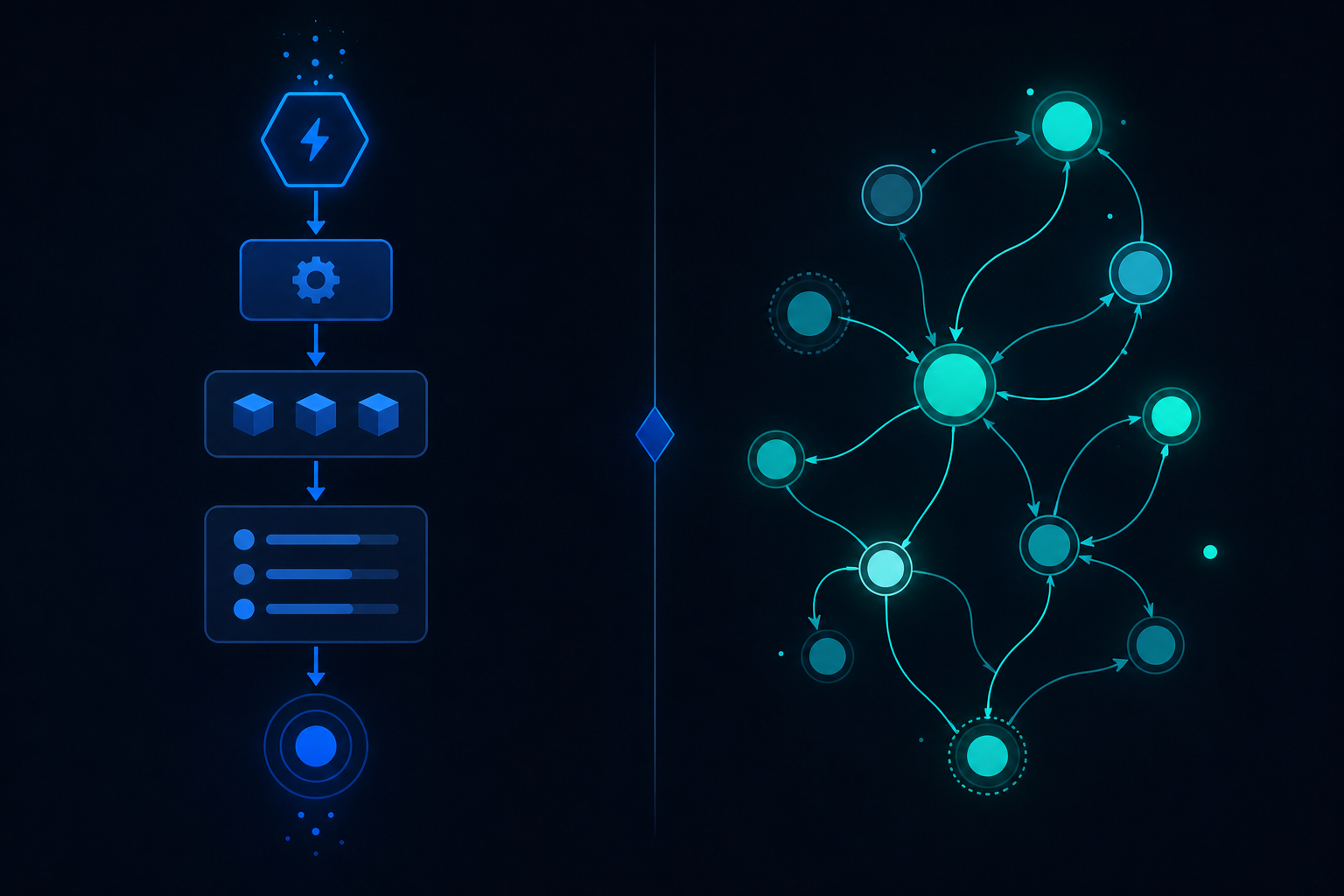
The Core Philosophy: Event-Driven vs. Reactive Caching
To understand the difference, you have to look at what each library was fundamentally designed to do.
Bloc is an event-driven state management library. You dispatch events, the Bloc processes those events, and it emits new states. It is built around the concept of streams and explicit state transitions. This makes it exceptional for modeling complex business logic where the sequence of actions and the reason for a state change are just as important as the state itself.
Riverpod is a reactive caching and dependency injection framework. You define providers that react to changes in other providers, user input, or asynchronous data sources. It treats state as a graph of dependencies. Riverpod excels at data fetching, caching, and composing dependencies without relying on the Flutter widget tree or BuildContext.
Boilerplate and Developer Experience (DX)
Historically, Bloc was criticized for requiring multiple files for a single feature (Event, State, Bloc). While modern Dart 3 features like sealed classes and records have reduced this friction, the structural overhead remains.
Here is how a standard asynchronous login flow looks in modern Bloc:
// Events
sealed class AuthEvent {}
class AuthLoginRequested extends AuthEvent {
  final String email;
  final String password;
  AuthLoginRequested(this.email, this.password);
}

// States
sealed class AuthState {}
class AuthInitial extends AuthState {}
class AuthLoading extends AuthState {}
class AuthSuccess extends AuthState {}
class AuthFailure extends AuthState {
  final String message;
  AuthFailure(this.message);
}

// Bloc
class AuthBloc extends Bloc<AuthEvent, AuthState> {
  final AuthRepository _repository;

  AuthBloc(this._repository) : super(AuthInitial()) {
    on<AuthLoginRequested>(_onLoginRequested);
  }

  Future<void> _onLoginRequested(
    AuthLoginRequested event,
    Emitter<AuthState> emit,
  ) async {
    emit(AuthLoading());
    try {
      await _repository.login(event.email, event.password);
      emit(AuthSuccess());
    } catch (e) {
      emit(AuthFailure(e.toString()));
    }
  }
}
Riverpod, particularly when using its code generation tools, takes a different approach. It relies heavily on AsyncValue, which natively handles loading, data, and error states without requiring you to manually define distinct classes for every UI state.
@riverpod
class AuthNotifier extends AutoDisposeAsyncNotifier<void> {
  @override
  Future<void> build() async {}

  Future<void> login(String email, String password) async {
    state = const AsyncLoading();

    state = await AsyncValue.guard(() async {
      final repository = ref.read(authRepositoryProvider);
      await repository.login(email, password);
    });
  }
}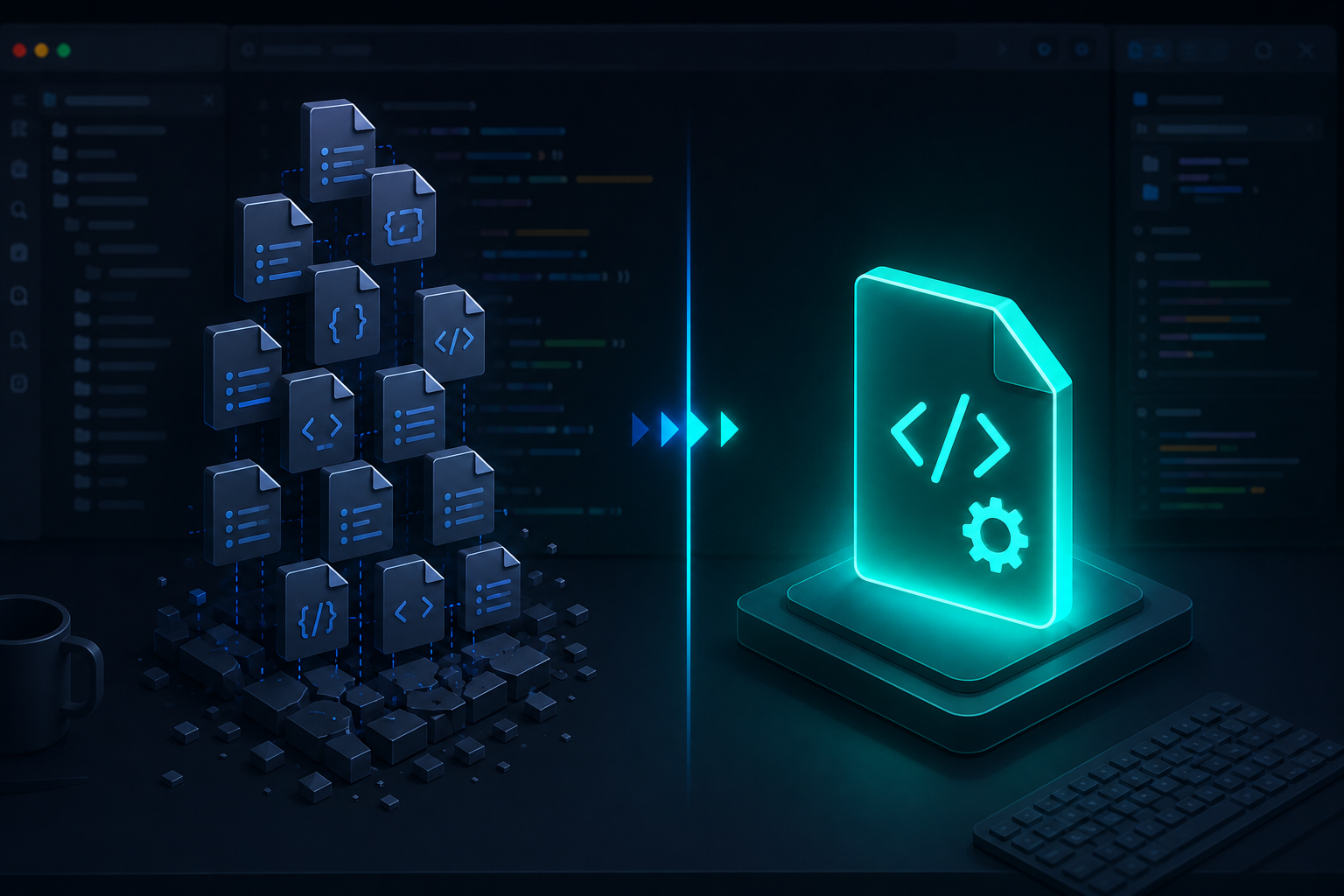
The Verdict: Riverpod wins on raw boilerplate reduction, especially for CRUD operations and data fetching. Bloc requires more setup, but that setup forces you to explicitly define every possible state and event, which many teams prefer for strict maintainability. (Note: Bloc's Cubit offers a simpler, method-based API similar to Riverpod, but it sacrifices the event-tracking benefits of the full Bloc pattern).
Dependency Injection and Architecture
This is where the two libraries diverge significantly in a production environment.
Bloc does not include a dependency injection (DI) system. To inject repositories into your Blocs, you must either pass them down through the widget tree via BlocProvider, or integrate a third-party DI solution like get_it combined with injectable. This is a perfectly valid approach and is a staple in many [INTERNAL LINK OPPORTUNITY] Flutter Clean Architecture implementations.
Riverpod, on the other hand, is a DI framework first and a state manager second. Providers can depend on other providers natively.
@riverpod
AuthRepository authRepository(Ref ref) {
  final dio = ref.watch(dioProvider);
  return AuthRepository(dio);
}
Because Riverpod handles the dependency graph at compile time (when using code generation), it is inherently suited for Clean Architecture. You do not need external packages to manage your service locators or dependency lifecycles.
Testability
Both libraries are highly testable, but they require different testing mental models.
Testing Bloc relies on the bloc_test package. It provides a brilliant blocTest function that allows you to dispatch a sequence of events and assert the exact sequence of emitted states. This is incredibly powerful for ensuring complex business logic behaves exactly as expected over time.
blocTest<AuthBloc, AuthState>(
  'emits AuthLoading then AuthSuccess when login succeeds',
  build: () => AuthBloc(MockAuthRepository()),
  act: (bloc) => bloc.add(AuthLoginRequested('test@test.com', 'password')),
  expect: () => [AuthLoading(), AuthSuccess()],
);1
Testing Riverpod relies on the ProviderContainer. You create a container, override the providers that fetch external data (like network calls) with mock implementations, and read the state of your notifier. It feels more like testing standard Dart functions and reactive streams.
The Verdict: If your app has complex, multi-step user flows where the order of operations matters, Bloc's testing utilities are superior. If your app is primarily about fetching, caching, and displaying server data, Riverpod's container overrides are faster to write and maintain.
Performance and Rebuilds
In 2026, performance differences between the two are negligible for 99% of applications. Both are highly optimized.
Riverpod's compiler analyzes your provider dependencies and ensures that widgets only rebuild when the specific properties they listen to change. Bloc utilizes buildWhen and selective BlocBuilder configurations to prevent unnecessary widget rebuilds.
The real performance consideration is memory management. Riverpod's autoDispose feature automatically destroys providers and frees up memory when the last listener is removed. In Bloc, you must manually manage the lifecycle of your Blocs, usually by closing them in the dispose method of a widget or relying on the BlocProvider to handle it when it drops out of the tree.
[IMAGE PROMPT: A modern, abstract decision tree illustration for software development. Glowing, distinct paths diverging from a central starting node, representing architectural choices. One path looks structured and rigid, the other looks fluid and interconnected. Tech-focused, minimalist, dark theme with vibrant blue and teal accent colors, high quality digital art, absolutely no text or words.]
When to Choose Bloc
Choose Bloc if your application fits the following criteria:
Highly Interactive UIs: You are building a drawing app, a complex multi-step wizard, or a real-time collaboration tool where tracking how the user arrived at a state is critical.
Strict Team Standards: You have a large team and want to enforce a rigid, explicit separation of events and states to prevent junior developers from writing "spaghetti" logic.
Event Sourcing: Your backend or architecture relies heavily on event sourcing, and mapping those domain events directly to UI events feels natural.
When to Choose Riverpod
Choose Riverpod if your application fits the following criteria:
Data-Heavy Applications: Your app is primarily focused on fetching, caching, and synchronizing server state (e.g., e-commerce, social feeds, dashboards).
Clean Architecture: You want a built-in dependency injection system that enforces architectural boundaries without relying on third-party service locators.
Compile-Time Safety: You prefer catching missing dependencies and incorrect state accesses at compile time rather than runtime.
Minimal Boilerplate: You want to move fast and leverage Dart 3 features and code generation to keep your codebase small.
Summary
Bloc is a state management library that forces you to be explicit about your application's behavior. Riverpod is a reactive framework that handles your data, caching, and dependencies with minimal interference.
Neither is the wrong choice. Evaluate your app's core requirements, look at the type of data you are managing, and pick the tool that aligns with your team's architectural philosophy.
FAQ
Is Bloc dead in 2026?
No. Bloc remains one of the most widely used and actively maintained state management solutions in the Flutter ecosystem. While Riverpod has gained massive popularity for data-fetching and DI, Bloc is still the preferred choice for complex, event-driven business logic and highly interactive UIs.
Can I use Riverpod and Bloc together in the same app?
Yes, but it is generally discouraged. Using both can lead to confusion regarding where state should live and how dependencies are managed. It is usually better to pick one paradigm and stick to it across the entire application to maintain a consistent architecture.
Which is better for beginners: Riverpod or Bloc?
Bloc (specifically using Cubit) is often considered easier for beginners to grasp initially because the concept of calling a method to change a state is very intuitive. However, modern Riverpod with code generation has become highly approachable, and its lack of BuildContext dependency prevents many common beginner mistakes related to widget lifecycles.
SOURCES
Official Riverpod Documentation https://riverpod.dev/docs/introduction/why_riverpod
Official Bloc Documentation https://bloclibrary.dev/getting-started/
Dart Language Documentation (Records and Patterns) https://dart.dev/language/records
// tagged in
Related Articles
Skip the boilerplate
Production-ready Flutter starter kit with Firebase Auth, Firestore, Cloud Functions, push notifications, and Clean Architecture — ship your app in days, not months.
Did this article save you time?
I write these for free. If it helped, a coffee keeps me going — and more articles coming.